



The most interesting decision on this project was made before a frame was shot. Seeper did not want to be named in their own case study.
No voiceover explaining the brief, no member of the Seeper team on camera walking through the technical achievement. The brand that commissioned the film stays almost entirely out of it.
That is an unusual thing for a studio to ask for, and it was absolutely the right call. A film about a civic building that leads with the agency behind it immediately becomes an advert. Awards juries can smell that from the first ten seconds, and so can the councils and cultural institutions who might commission Seeper next. The work was good enough that pointing at it would have made it smaller.
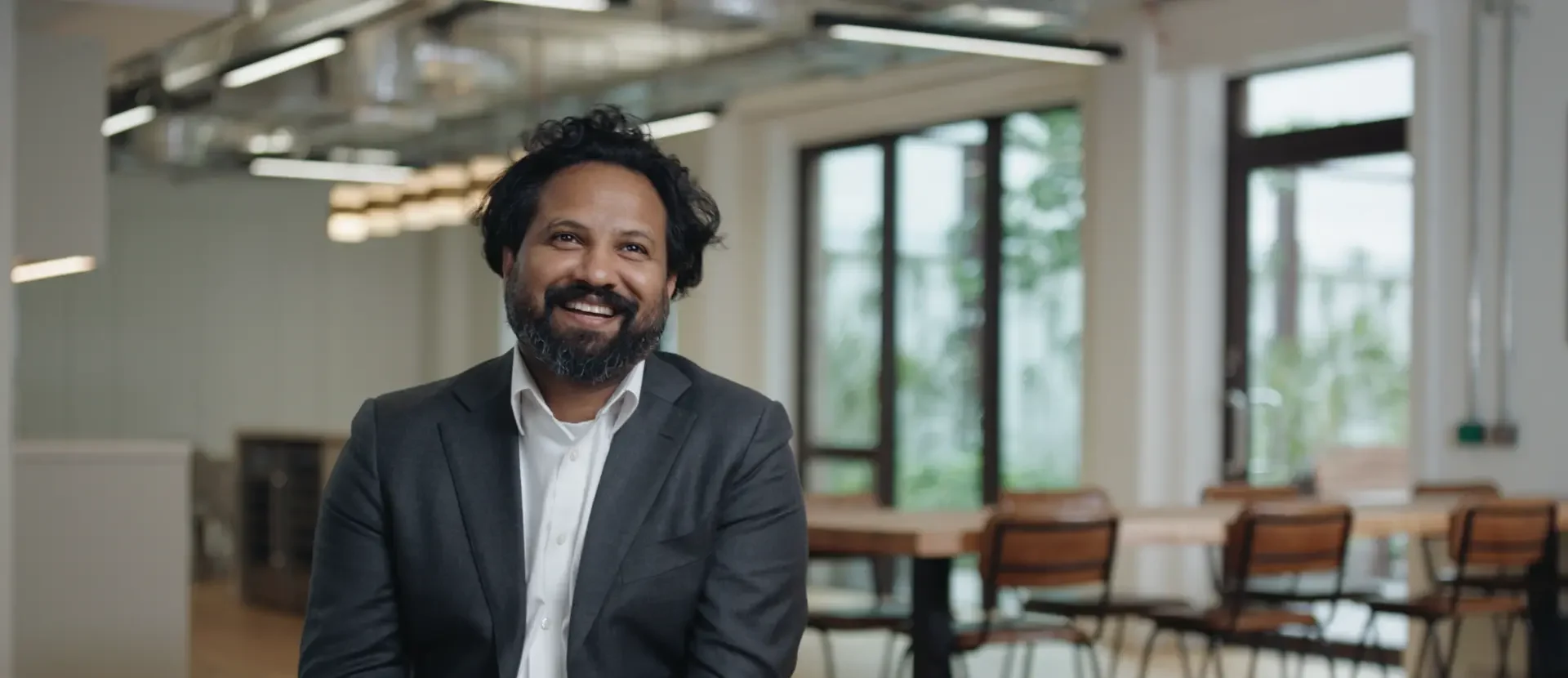
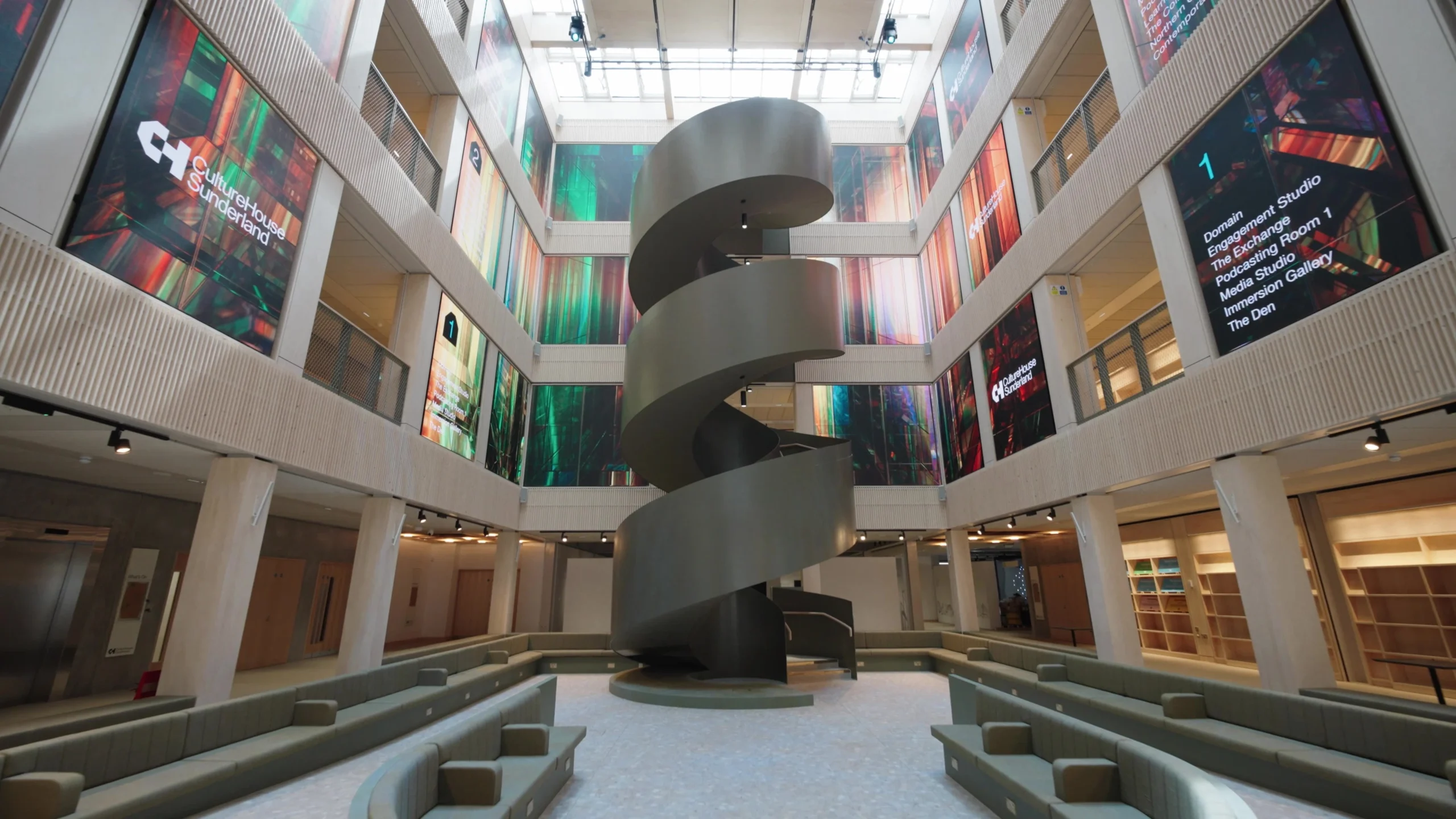
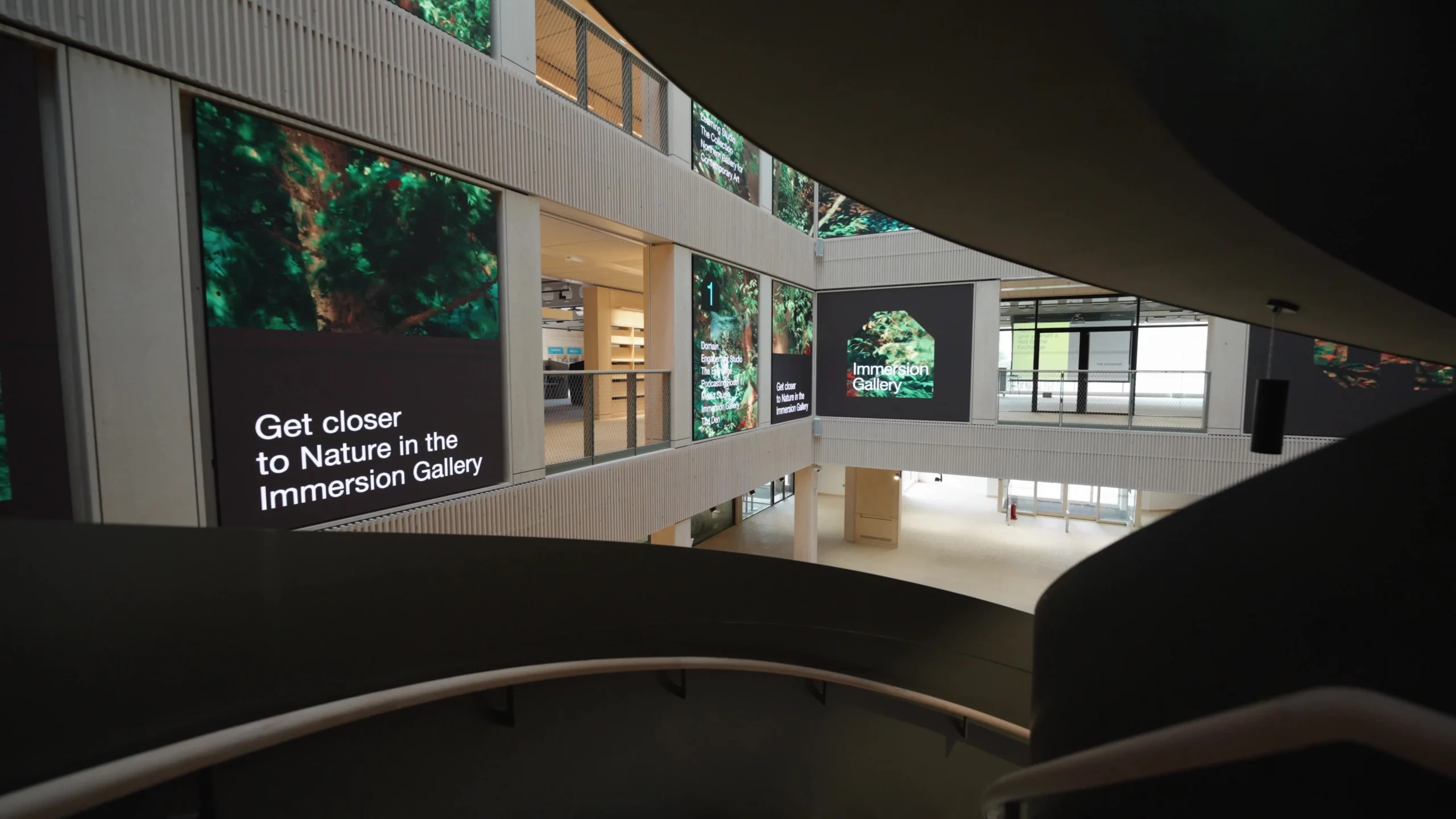
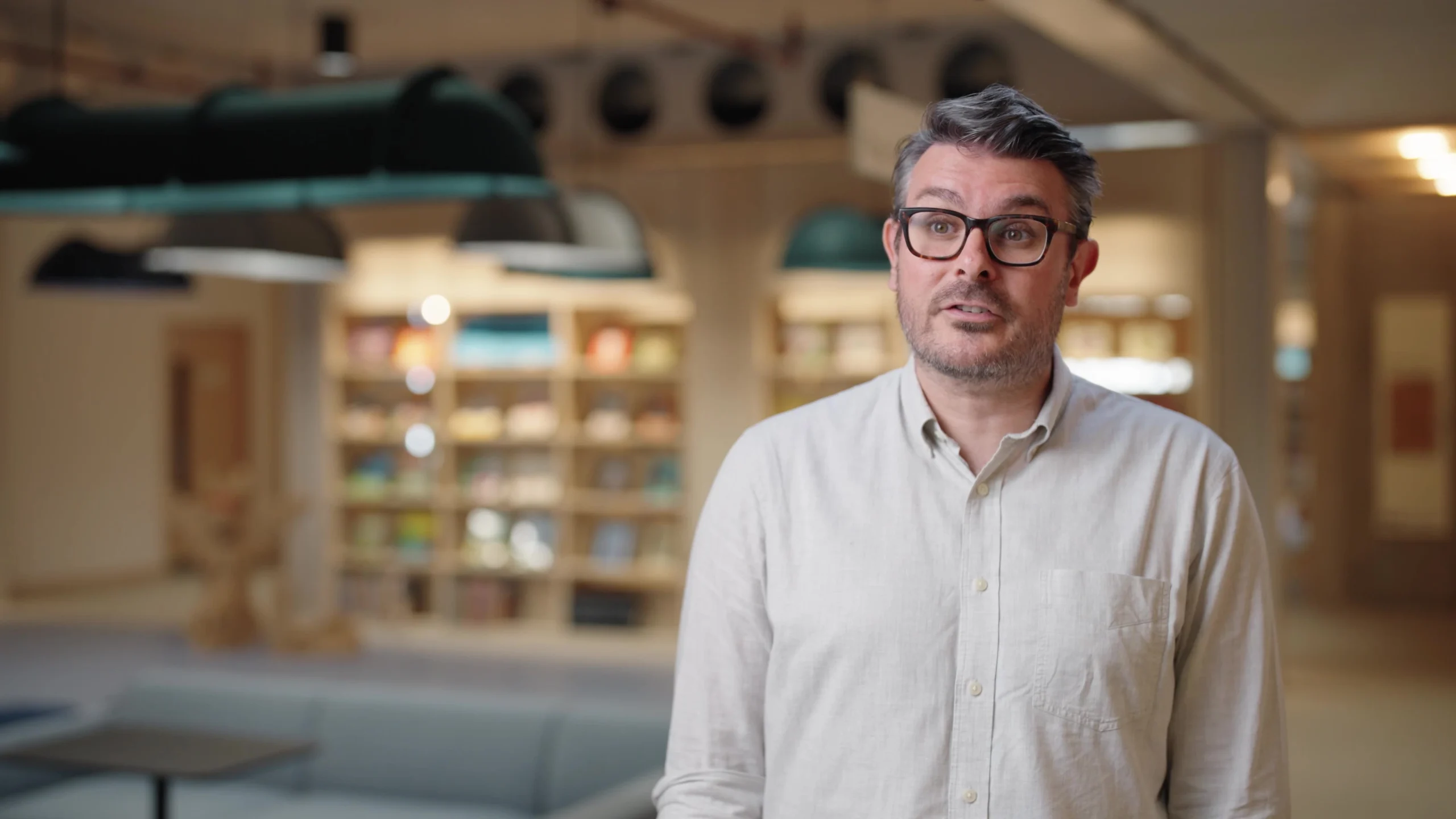
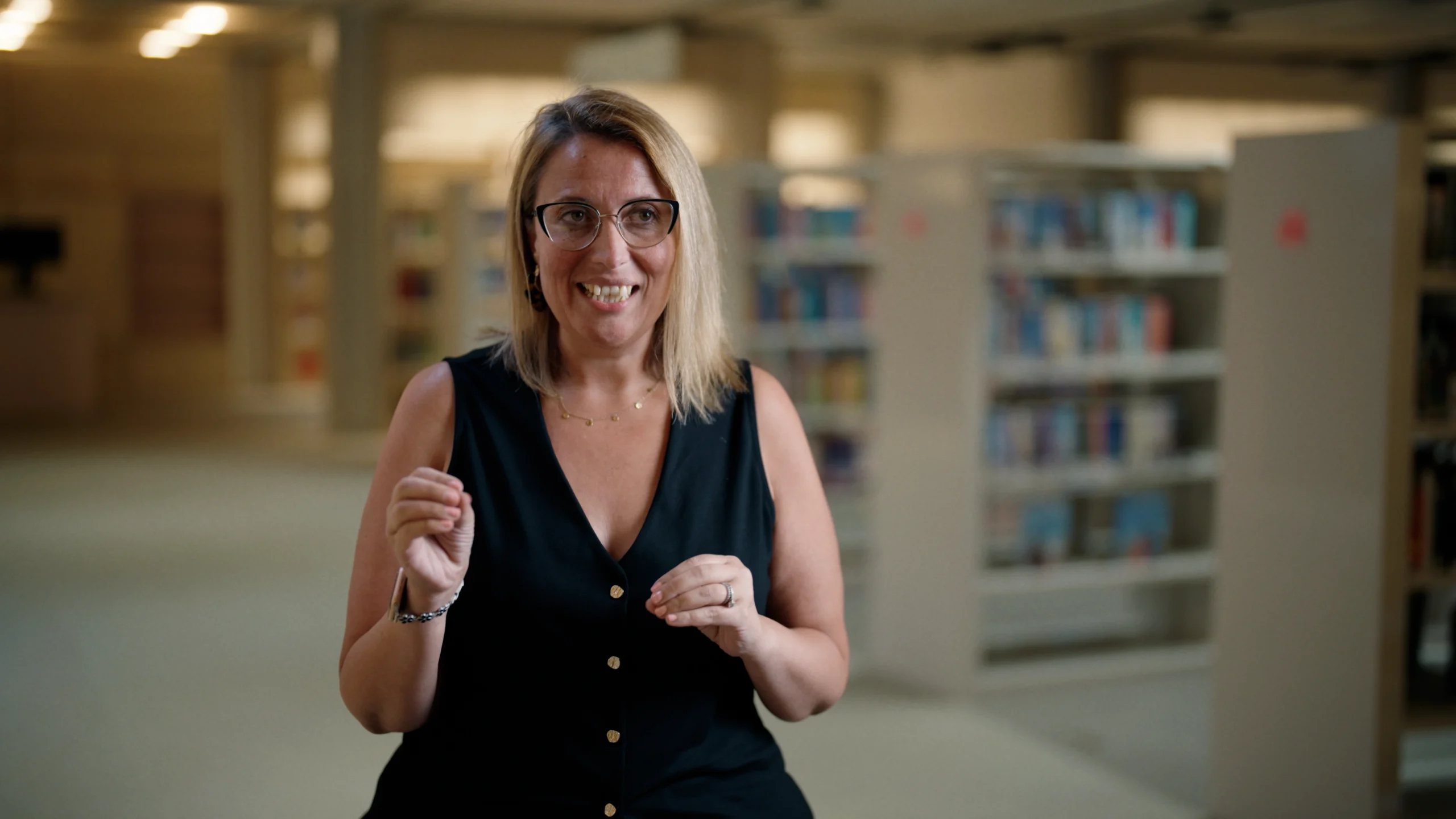
So we built the film around the people who were going to use the building instead. Four voices from Sunderland, none of them from Seeper: the director of Culture House and three well-known local figures from the city’s music and sporting life. They talk about what the place means to the city rather than how it was made. The technology is everywhere on screen and never mentioned once. The atrium, the Immersion Gallery, the wayfinding, the content platform: all of it is doing visible work in every shot, and the audience simply experiences it the way a visitor would, as atmosphere rather than specification.
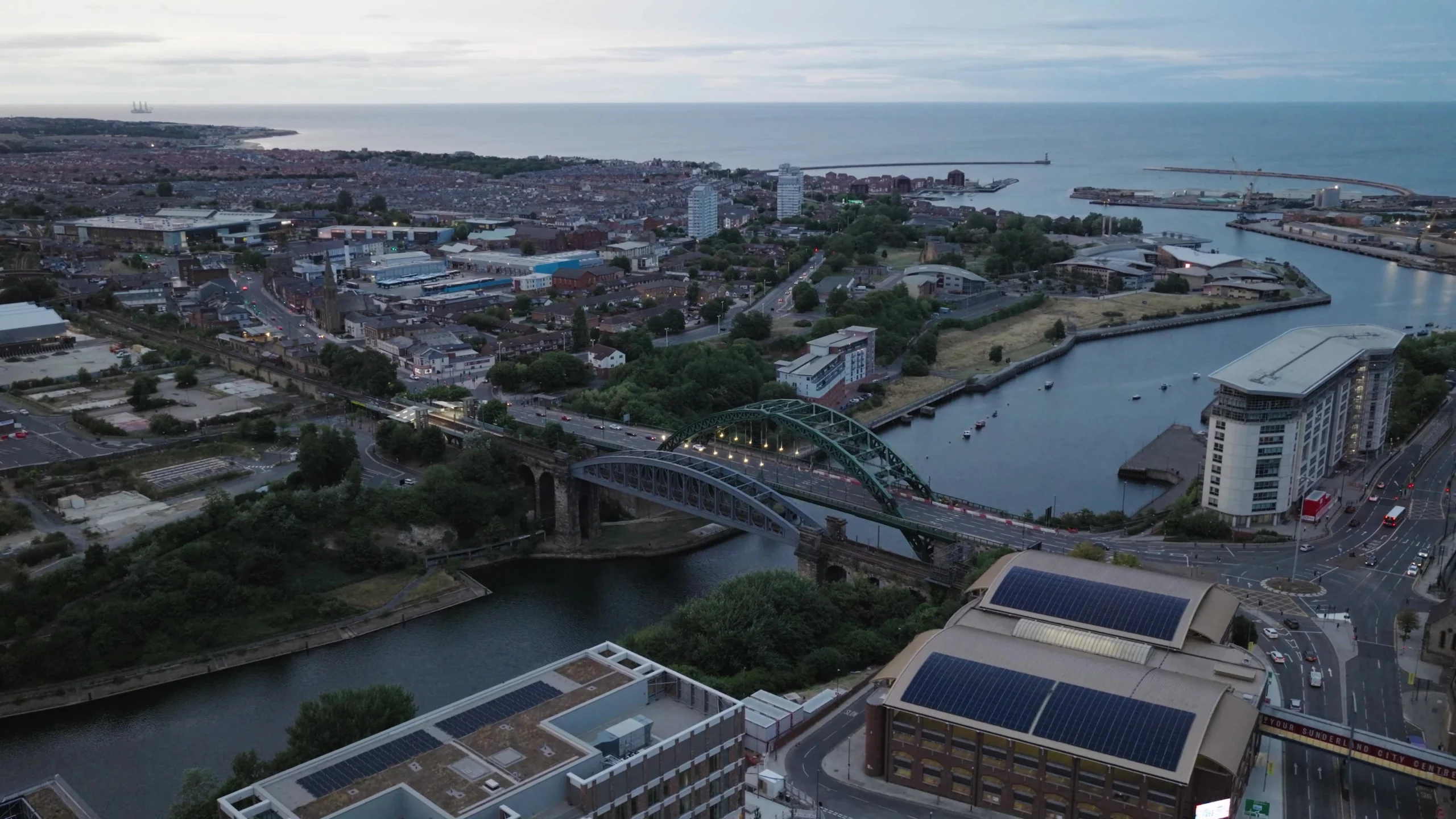
The result is a case study where the impact speaks louder than the credit. Anyone in the industry watching it understands exactly what was built and who could have built it. Everyone else just watches a film about a city getting something it waited a long time for.
Culture House handed over to Sunderland City Council on 1 August 2026. Until that date Seeper were still keyholders with full access. After it, every decision would go through the council.
That gave us a fixed window. We shot on 28 and 29 July, two days, on a building that was still a live site with the delivery team working around us and the public opening still six weeks away.
The original schedule ran to thirteen hours a day. We brought it back to a 10+1 structure, ten working hours plus a break, and reshuffled the running order to protect the atrium, which carried eighteen must-get shots on its own across four different content states. We also agreed a priority list in advance, so that when a space became unavailable or the delivery team needed the floor, we sacrificed from the wish list rather than from the film.